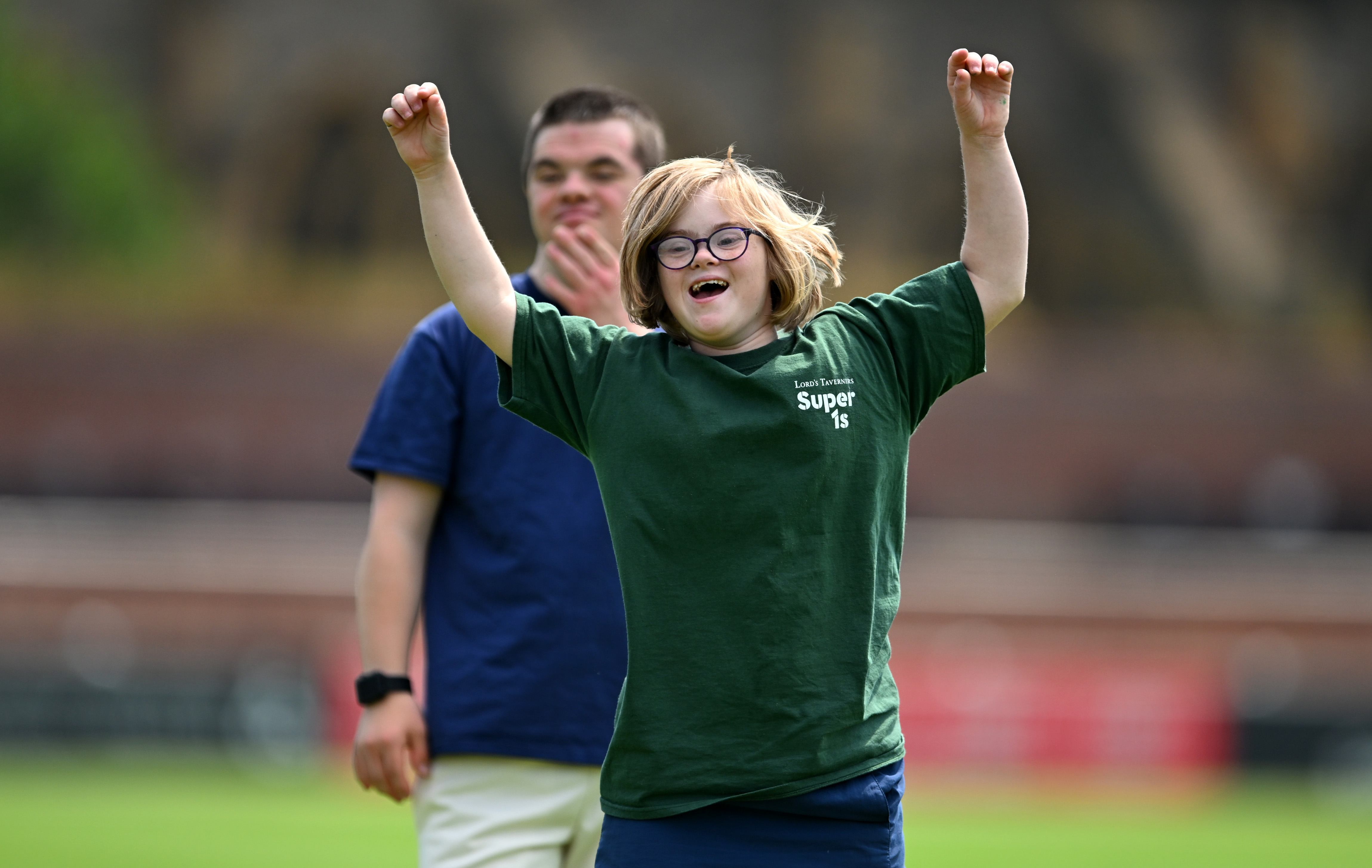
31,547 young lives transformed. Because you believed.
While others hesitated, you stepped forward. Here's the impact your support delivered in 2024/25.
This is the Impact You Create
See the smiles, hear the cheers, and feel the confidence. Your support changes lives on and off the cricket pitch.
The Need: Why This Work Matters
Cricket should be for everyone. It isn't. Yet.
Before we share what your support achieved, here's why it matters.
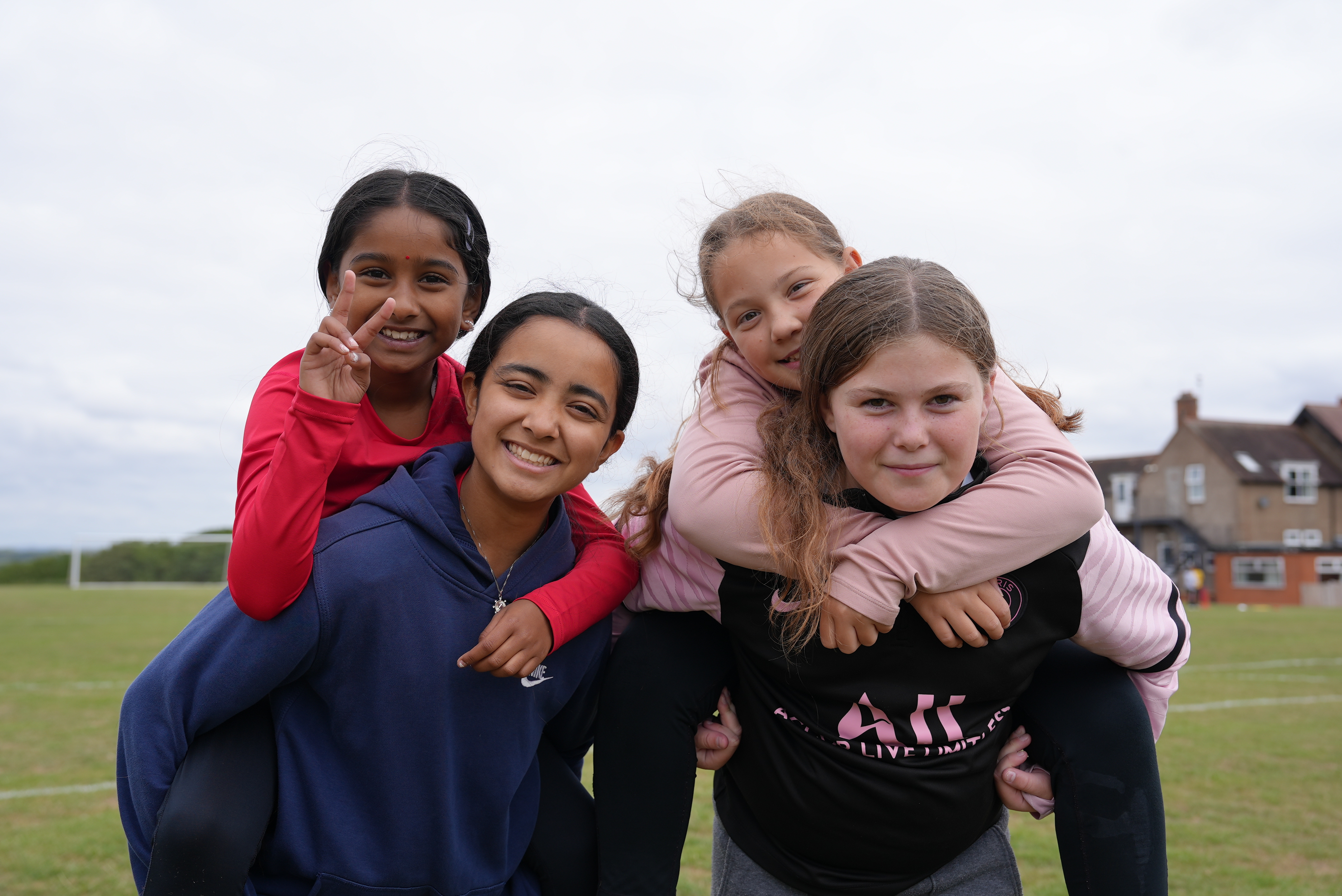
Young people from less affluent families are twice as likely to be inactive. For girls, the picture is even starker, with confidence, accessibility, and cultural perceptions all playing a role.
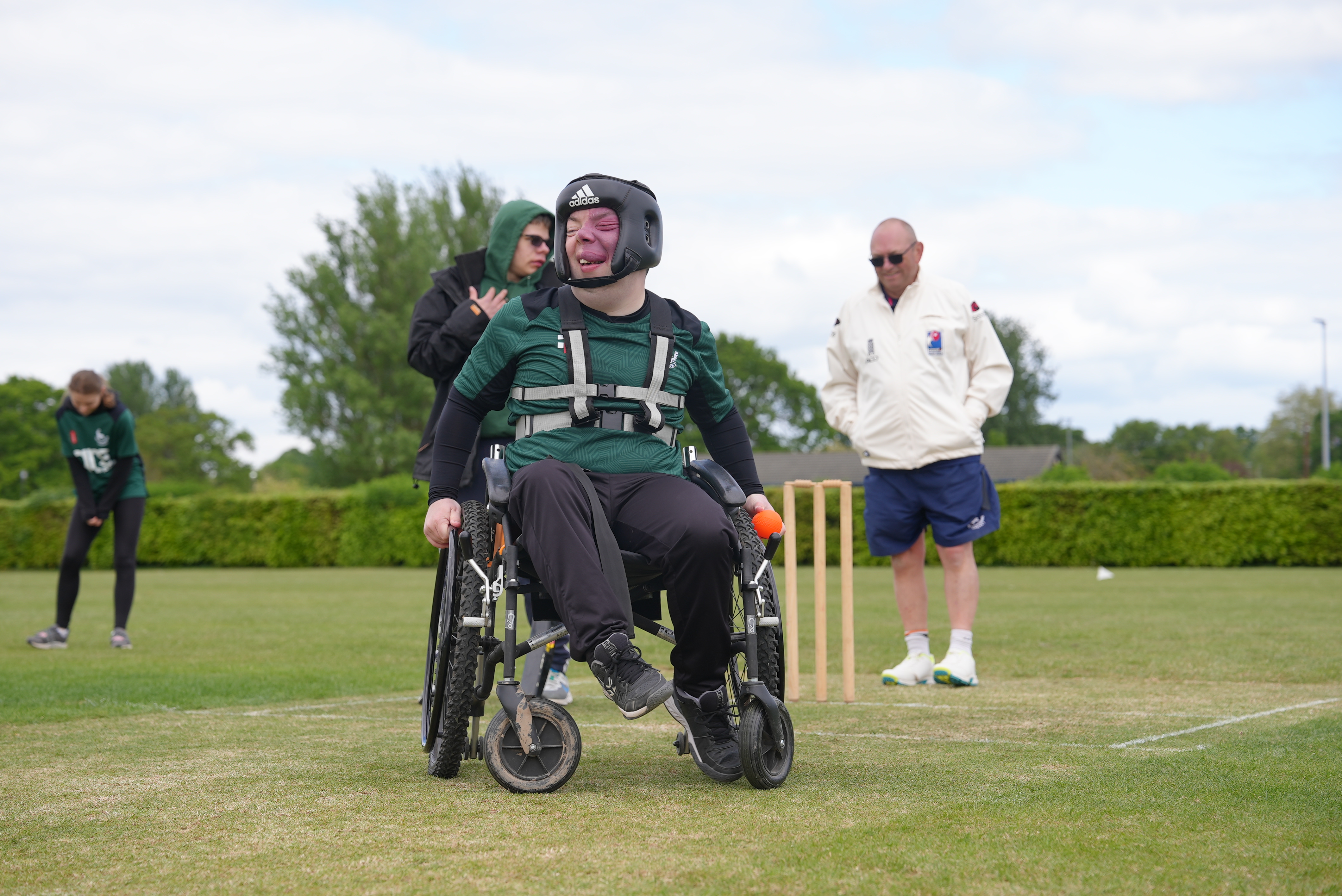
Only 18% of disabled young people meet recommended physical activity levels. Access to facilities, adapted equipment, and trained coaches remain the exception, not the norm.
Cricket often carries perceptions of expense and exclusivity. For many families, it can feel like someone else's game. Our programmes exist to remove these barriers.
What follows is the impact your belief made possible.
Section 1: Your Support. Their Transformation.
Programme by programme, here's what you created
You asked us to reach more young people without compromising the quality of their experience. The evidence shows we delivered on that promise.
Wicketz
Community cricket for young people facing socioeconomic inequality
What your support delivered:
0
hubs
brought cricket to the communities that need it most.
0
young people aged 8-19
found a place where they belonged, many for the first time.
0
girls-only hubs
created safe spaces for young women who felt cricket wasn't for them. This isn't tokenism. It's targeted provision addressing the specific barriers girls face in sport participation.
0
regional festivals
gave young people the chance to travel beyond their postcodes, compete with peers from different backgrounds, and experience what possibility feels like.
0
life skills workshops
tackled real issues in their communities: conflict resolution, digital safety, employability skills, mental health awareness. Cricket was the hook. Life skills were the outcome.
54%
of participants live in the 30% most deprived areas in the UK
We don't wait for young people to come to cricket. We bring cricket to them.
The impact you created
Through bi-annual surveys of 862 participants across Wicketz and Super 1s, we measure what matters:
97%
felt more active
Regular cricket sessions became the anchor for physical activity in lives where sport felt financially or culturally out of reach.
89%
felt more confident
Week after week with peers who share similar experiences built the foundation for trying new things, speaking up, taking risks.
96%
felt more included
In communities where exclusion is the daily reality, cricket became the reason to show up, belong, and matter.
92%
felt they belonged to something positive
Not just active. Not just included. Proud to be part of something bigger than themselves.
"I can't really imagine myself not doing Wicketz now. Even if others I play with have different religious beliefs or come from different backgrounds, we all come together and we're one team. That's what Wicketz taught me - we're stronger together."
- Sam, 16, South Wales Wicketz participant
Where we're heading: Wicketz employability
We've proven cricket changes lives in Wicketz communities. Now we're building the employability framework that's worked so powerfully in Super 1s into Wicketz delivery. Thanks to Westminster Foundation partnership funding, Wicketz employability workshops launch across multiple sites in 2025/26. CV writing. Interview skills. Work experience pathways. The same three-phase model that's getting Super 1s participants into employment will now reach Wicketz young people.
Super 1s
Community cricket for young people with disabilities
What your support delivered:
0
hubs
across every English county, Scotland and Wales. What started as scattered provision is now systematic national coverage.
0
young people with disabilities
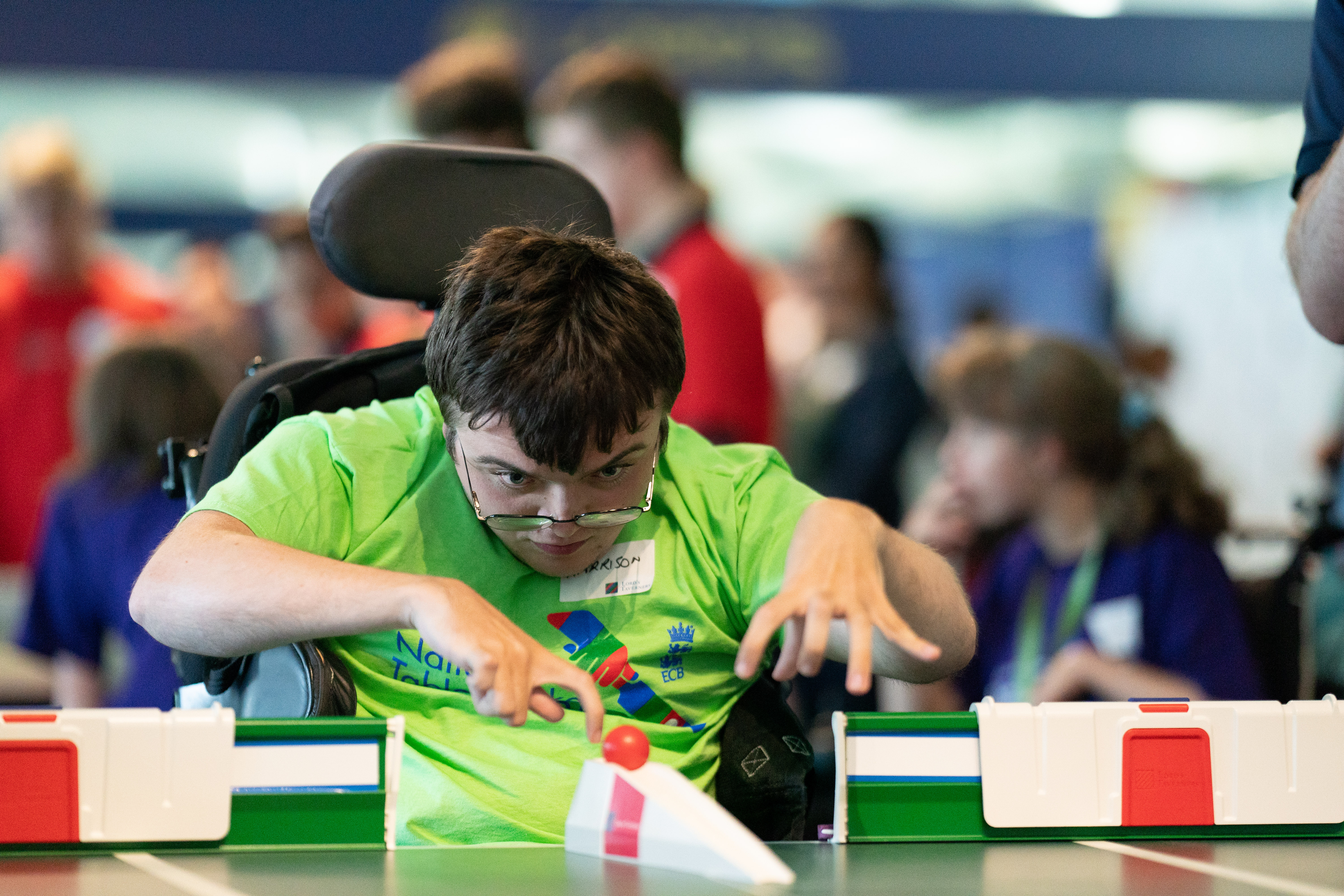
found cricket programmes designed for them from the ground up, not begrudgingly adapted from mainstream provision.
0
residential programmes
including our first girls-only residential, gave participants the confidence-building experience of time away from home with peers.
0
employability workshops
engaged 450 participants in the three-phase framework that's become our differentiator.
0
work experience placements
Real professional environments. Real responsibilities. Real proof that disability doesn't define capability.
0
participants in paid employment
as a direct result of skills gained through Super 1s employability programming. This is the progression pathway that matters.
The impact you created
97%
felt more active
For young people who face barriers to accessing sport everywhere else, we removed every single one.
88%
felt more confident
Parents tell us this is the change they notice most. Their children trying things they never thought possible.
96%
felt more included
In a world that often excludes disabled people by default, Super 1s makes inclusion the starting point, not an afterthought.
87%
felt more independent
Confidence translates to independence. Independence translates to fuller, richer, more autonomous lives.
"His confidence has gone through the roof since joining Super 1s. A few years ago, Hadley would have been terrified to walk into a hall full of people he didn't know. Super 1s is inclusive and friendly yet keeps the activity competitive. It's the best of both worlds. I've watched him grow into someone I always knew he could be."
- Rachel, Hadley's mum
Our employability differentiator
The three-phase Super 1s employability model is proving that disability cricket can be the foundation for professional futures:
Phase 1: Skills Development
CV writing workshops, interview technique training, workplace communication, professional presentation skills.
Phase 2: Confidence Building
Mock interviews with real employers, workplace visits, networking opportunities, peer mentoring.
Phase 3: Pathways to Work
Work experience placements with partner organizations, supported job applications, ongoing mentorship.
65 employability workshops delivered in 2024/25 (up from 51 in 2023/24). 358 participants engaged across 17 counties. This isn't peripheral to our cricket offer. It's central to our vision of what disability cricket should achieve.
Cricket in SEND Settings
Bringing cricket to schools where it never existed
What your support delivered:
0
SEND settings
now deliver cricket as part of their provision. This represents year-on-year growth from 769 settings in 2023/24.
0
young people with disabilities
accessed cricket through school - most had never played before. Growth from 24,399 in the previous year.
0
cricket sessions
taught by trained deliverers who understand how to adapt the game for different needs, abilities, and learning styles.
0
health & wellbeing workshops
connected cricket to broader conversations about physical health, mental health, social connection, and wellbeing.
The impact you created: Reach and access
For SEND school programmes, our impact looks different from community programmes. We measure reach and access rather than individual participant outcomes, for important reasons: Many SEND pupils are under 12 (outside our survey age range). Privacy and safeguarding protocols limit individual tracking. The nature of SEND provision means pupils rotate through programmes differently than community hub participants. But impact is real and measurable through teacher and parent observation:
What teachers and parents see:
- Teachers report that cricket sessions lead to improved engagement in other subjects, better social interactions across year groups, and reduced isolation for pupils who previously struggled to connect with peers.
- Parents note increased physical activity at home, improved confidence in trying new things, and greater willingness to participate in group activities.
- Schools integrate cricket into break times and informal play, showing that the game becomes embedded in school culture beyond formal sessions.
"There are pupils I can think of now that, as a result of playing cricket and the engagement they've had, are now more active in other areas. They're going out at lunchtime doing a daily mile when they weren't before. They know they've got cricket coming and you can see them always trying to re-enact the lessons on the playing field. It's changed the whole atmosphere in the school."
- Maria, SEND teacher, Birmingham
Why SEND school delivery matters
For many SEND schools, cricket isn't in the curriculum. Teachers don't have cricket experience or confidence to deliver it. Pupils assume cricket isn't for them. Your support changes this assumption at scale. 850 schools where cricket didn't exist. 26,000+ young people who now know cricket is their game too. This is access impact. This is exposure impact. This is the foundation for future participation.
The Evidence: Impact at Scale
31,547 young people reached across three distinct programmes, each delivering impact in the ways most appropriate to their participants.
[Data visualization: participant growth 2022-2025 with outcome scores overlaid]
Different programmes. Different impact measures. Same commitment: Remove barriers. Create belonging. Change lives. This is what happens when you back organizations willing to measure what actually matters, not just what's easy to count.
Section 2: Youth Voice Drives Change
You believed young people should lead, not just listen.
You supported more than cricket. You supported a fundamental shift in how we operate.
Youth voice isn't a programme. It's a principle. Most charities talk about youth voice. We're building it into our DNA at three levels:
Local Youth Voice Initiatives
At hub and county level, young people shape the delivery they experience. Session planning. Activity choices. Hub culture and norms. Peer mentoring. Wicketz and Super 1s hubs increasingly involve participants in coaching roles, session design, and peer leadership. This isn't formal. It's embedded in how we work.
Example
South Wales Wicketz participants designed and led coaching sessions at a cross-programme residential, empowering them as leaders among both disabled and non-disabled peers. This is youth voice in action - young people leading, teaching, shaping experiences for others.
Youth Ambassadors Programme
13 Youth Ambassadors aged 14-24 from across the UK represent the national voice of young people with lived experience of our programmes. This two-year development programme gives them real power, not advisory roles.
What makes this different:
- When we appointed our new Chair of Trustees, Youth Ambassadors weren't consulted. They were on the selection panel.
- When we rewrote our organizational values, we didn't ask for input. We co-created them together from scratch.
- When we design new programme elements, Youth Ambassadors challenge our assumptions, push back on blind spots, force us to think differently.
The impact your support created:
100%
report increased public speaking confidence
0
delivered speeches at major fundraising events
0
now coach in their local programmes
0
secured employment through the programme
0
shaped key organizational decisions
"Before Youth Ambassadors, I'd never spoken in front of more than my class. Last month I spoke to 200 people at a fundraising dinner. I still can't believe I did that. But I had something to say and they needed to hear it."
- Aisha, 17, Youth Ambassador
"The best part isn't the training - it's knowing that when I speak up, adults actually listen. Not pretend-listen. Actually change things based on what I say. That's powerful."
- Marcus, 19, Youth Ambassador
"I used to think leadership was for other people. People more confident, more qualified, more something. Youth Ambassadors taught me that my experience is my qualification. Nobody knows our communities better than us."
- Priya, 21, Youth Ambassador
Future Youth Board
We're not stopping at ambassadors. The next evolution is a formal youth board structure that embeds young people's voices in governance, not just consultation. This work is in development for launch in our next strategic cycle. Youth Ambassadors are helping design what this looks like, ensuring it's meaningful not performative.
Why youth voice matters
Young people with disabilities and from disadvantaged communities are constantly spoken about. Rarely spoken with. Almost never given real power. Your support challenged that. You backed us to change the power dynamic fundamentally.
The decisions we make are better because Youth Ambassadors and local youth voice participants question our assumptions.
The programmes we design are more relevant because they're informed by the people who'll experience them.
The futures we're building are co-created, not imposed by adults who think they know what young people need.
That's leadership development that changes lives and changes organizations simultaneously.
Section 3: Strategic Courage Pays Off
The three-year transformation you made possible
In 2022, you backed us to make hard choices. To stop doing some things so we could do other things brilliantly. Three years later, here's what your belief delivered.
2022-2025: THE STRATEGIC CYCLE THAT CHANGED EVERYTHING
We focused our mission
We phased out legacy programmes and grant-making that weren't delivering measurable impact. It wasn't easy. Some programmes had history. Some had dedicated supporters. But evidence showed they weren't creating the change we existed to deliver. Every pound you entrusted to us now goes to proven community cricket models where we track real change in real lives.
Result: More impact per pound. Clearer evidence base. Stronger case for continued support.
We built nationwide infrastructure
Super 1s grew from scattered hubs to systematic coverage. Now present in every English county, Scotland and Wales. Not expansion for expansion's sake. Strategic growth where need was greatest and partnerships were strongest.
Result: Young people with disabilities across the UK now have access to Super 1s, not just those lucky enough to live near existing hubs.
We opened new pathways
We launched cricket in SEND settings nationally. 850 schools where cricket never existed before. 26,000+ young people who would never have accessed cricket any other way.
Result: Disability cricket went from community clubs only to mainstream SEND provision. That's system change, not just programme growth.
We prioritized girls and women
12 girls-only Wicketz hubs. Our first girls-only Super 1s residential. 22% increase in female Super 1s participation year-on-year. We didn't just talk about closing gender gaps. We created targeted provision addressing the specific barriers girls face in sport.
Result: Girls who thought cricket wasn't for them now have programmes designed with them in mind from the start.
We built employability pathways
85 workshops. 450 participants. 23 work experience placements. 8 secured employment. The three-phase Super 1s employability model is now proven. Westminster Foundation partnership will bring it to Wicketz in 2025/26.
Result: Cricket became the entry point for professional futures, not just recreational activity.
We embedded youth leadership
We launched Youth Ambassadors with real decision-making power. 13 young people who shape strategy, influence hiring, co-create values. We're expanding youth voice through local initiatives and developing a formal youth board structure.
Result: Better organizational decisions. More relevant programmes. Future leaders developing in real time.
Female participation: The cross-cutting theme
Girls and women's participation isn't a separate workstream. It's woven through everything we do:
- Wicketz: 12 girls-only hubs create safe spaces for young women who need them
- Super 1s: First girls-only residential proved demand and showed what's possible; 22% year-on-year growth in female participation
- SEND schools: Adapted formats work particularly well for girls with disabilities who face double barriers to sport participation
Looking ahead: The 2026 ICC Women's T20 World Cup creates unprecedented opportunity to leverage cricket's growing profile among girls. We're positioning to capitalize on this moment.
Participant Growth Since 2022
214% growth in three years.
This is what strategic courage delivers when backed by partners who trust the process.
The numbers tell the story
214% growth in three years.
For Wicketz and Super 1s: outcome scores maintained at 96-97% despite growth.
For SEND schools: year-on-year expansion bringing cricket to thousands of young people with disabilities who would otherwise never access the game.
Looking Forward: 2025 and Beyond
The next strategic cycle launches in 2025. We're building on the foundation you helped create.
Sustaining quality at scale
Target 35,000 participants by 2027 with outcome scores maintained for community programmes and continued reach expansion in SEND settings.
Expanding employability
Rolling out the three-phase model from Super 1s to Wicketz (Westminster Foundation funded). More employer partnerships. Tracked progression from workshop to employment.
Growing youth leadership
Scale Youth Ambassadors programme. Develop local youth voice initiatives. Launch formal youth board structure.
Strengthening evidence
Completing Theory of Change work with Trust Impact. More robust measurement framework that respects different impact types across programmes.
We don't just report success. We report truth.
Measurement rigour
We measure outcomes for community programmes. We measure reach for SEND. But our framework needs deeper robustness to capture impact more comprehensively. We're partnering with Trust Impact to rebuild our measurement from the ground up.
Perception vs reality
Our programmes are free, but cricket still feels expensive to many families. We need better community messaging to break down that barrier before it stops young people trying.
Workforce representation
Our coaching teams don't fully reflect the communities we serve. We're implementing targeted recruitment and retention strategies to change that.
Participant counting standards
We've evolved how we count participants (age filters, unique vs total, programme overlaps). Historical comparisons need recalculation with current standards for full accuracy.
Our commitment to transparency
Different programmes require different impact measures:
Wicketz and Super 1s:
Bi-annual participant surveys (862 responses in 2024/25) provide outcome scores on activity, confidence, inclusion, independence.
SEND schools:
Teacher and parent observation plus reach data. Privacy constraints and age ranges make individual participant surveys inappropriate for this setting.
This isn't a weakness. It's honest evaluation that respects programme realities. You backed us to be honest, ambitious, and brave. We're not done yet.